How to Choose the Right Medium for Your Painting
Choosing the right medium for your painting can significantly enhance your artistic experience. With various options available, this guide will help you understand the characteristics of different mediums and how they can align with your creative process.
Understanding the Basics of Painting Mediums
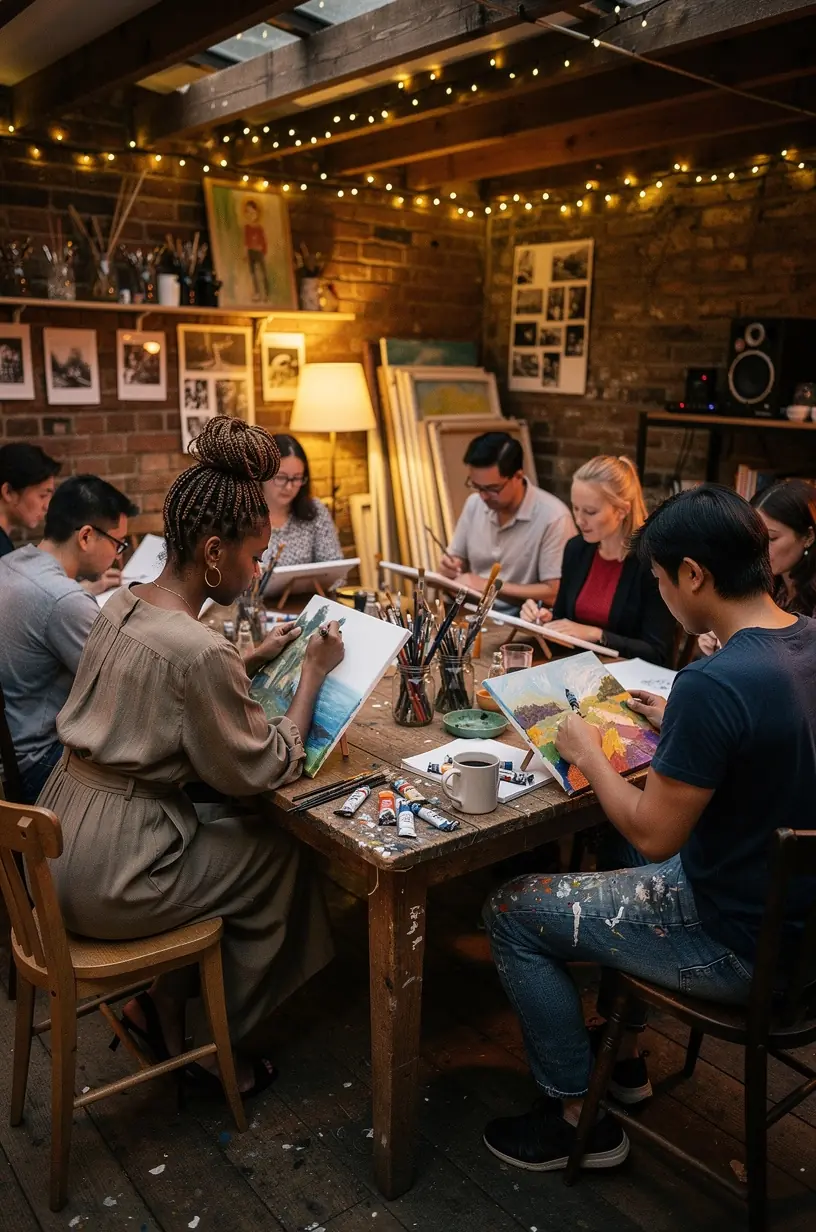
A painting medium refers to the materials used to create artwork, with each medium offering unique qualities and effects. According to art education experts, selecting a medium often depends on individual preferences, artistic goals, and desired techniques. Common options include:
- Watercolor: Known for its fluidity and transparency, watercolor paints are ideal for capturing light and atmosphere.
- Oil: This medium is praised for its richness and versatility, allowing for detailed textures and vibrant colors.
- Acrylic: Acrylic paints dry quickly and can mimic both watercolor and oil, making them suitable for various styles.
- Pastels: Soft and vibrant, pastels provide a unique texture and are often favored for portraits and landscapes.
"The choice of medium can greatly influence the outcome of your artwork, impacting both the technique and the final aesthetic." - Art Educators Association
Evaluating Your Artistic Goals
Before committing to a medium, it's essential to evaluate your artistic goals. Experts recommend considering the following factors:
- Style: What type of art do you want to create? Different mediums lend themselves to various artistic styles. For example, if you are drawn to realism, oil paints might be a suitable choice due to their ability to create depth.
- Time Commitment: Some mediums require longer drying times or more intricate techniques. For instance, oil painting typically requires longer sessions to allow for blending and layering.
- Workspace: The environment where you create matters. Acrylics are often recommended for smaller spaces due to their water-soluble nature, while oils may require more ventilation.
Understanding the Learning Curve
Many users report that each medium carries its own learning curve. Acrylics, for instance, can be easier for beginners due to their forgiving nature and quick drying time. In contrast, mastering oil painting typically takes practice and patience due to the complexity of techniques involved.
Research indicates that practicing different mediums can help artists discover their preferences and strengths. Therefore, experimenting with a few different options can be beneficial. In most cases, dedicating time to practice will yield better results over time.
Conclusion
Choosing the right medium for your painting is a personal journey that involves understanding your goals, preferences, and the characteristics of each medium. By taking the time to explore various options and assessing how they align with your artistic aspirations, you can make an informed decision that enhances your creative expression. Remember, this process is about exploration and growth—allow yourself the freedom to try different mediums as you develop your unique artistic style.
Learn More