Practical Guide to Setting Up a Home Studio
Creating a home studio for painting and artistic hobbies can be an exciting and fulfilling venture. This guide will provide you with useful insights on how to set up your creative space, taking into account both functionality and inspiration.
Understanding the Basics
Setting up a home studio begins with understanding the essential elements needed for a productive and inspiring environment. According to experts in the field, a dedicated space helps to enhance focus and creativity, which are vital for artistic endeavors. In many cases, artists report that having a specific area designated for their craft can reduce distractions and promote consistent practice.

"A well-organized workspace can improve both efficiency and creativity, making it easier to immerse yourself in your artistic pursuits."
Choosing the Right Space
The first step in establishing a home studio is to select an appropriate space. Consider the following factors:
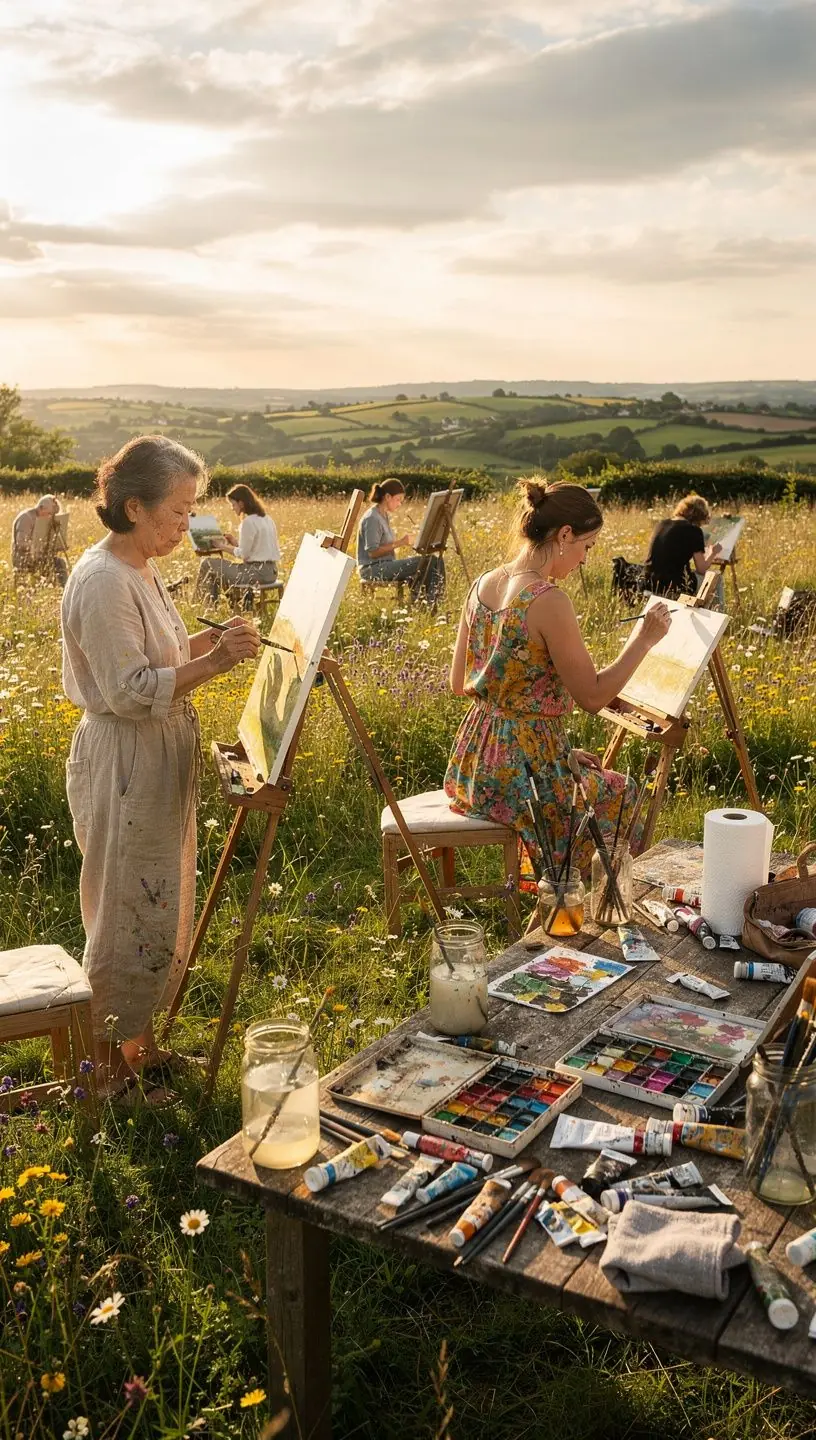
- Lighting: Natural light is often preferred; studies show that exposure to daylight can boost creativity.
- Space Size: Your studio should ideally be large enough to accommodate your materials and equipment comfortably.
- Ventilation: Good air circulation is important, particularly if you're working with paints or other materials that may emit fumes.
Essential Equipment and Supplies
Once you have your space, you'll need to gather essential equipment and supplies. Here are some common items that many artists find useful:
- Work Surface: A sturdy table or easel that can withstand your creative activities.
- Storage Solutions: Organizers for brushes, paints, and other materials to keep your workspace tidy. Many users report that a clutter-free environment can enhance focus.
- Quality Art Supplies: Invest in reliable materials that suit your artistic style; for instance, high-quality paints and brushes can make a significant difference in your work.
Creating a Creative Atmosphere
In addition to functional elements, the atmosphere of your studio plays a crucial role in creativity. Consider incorporating the following:
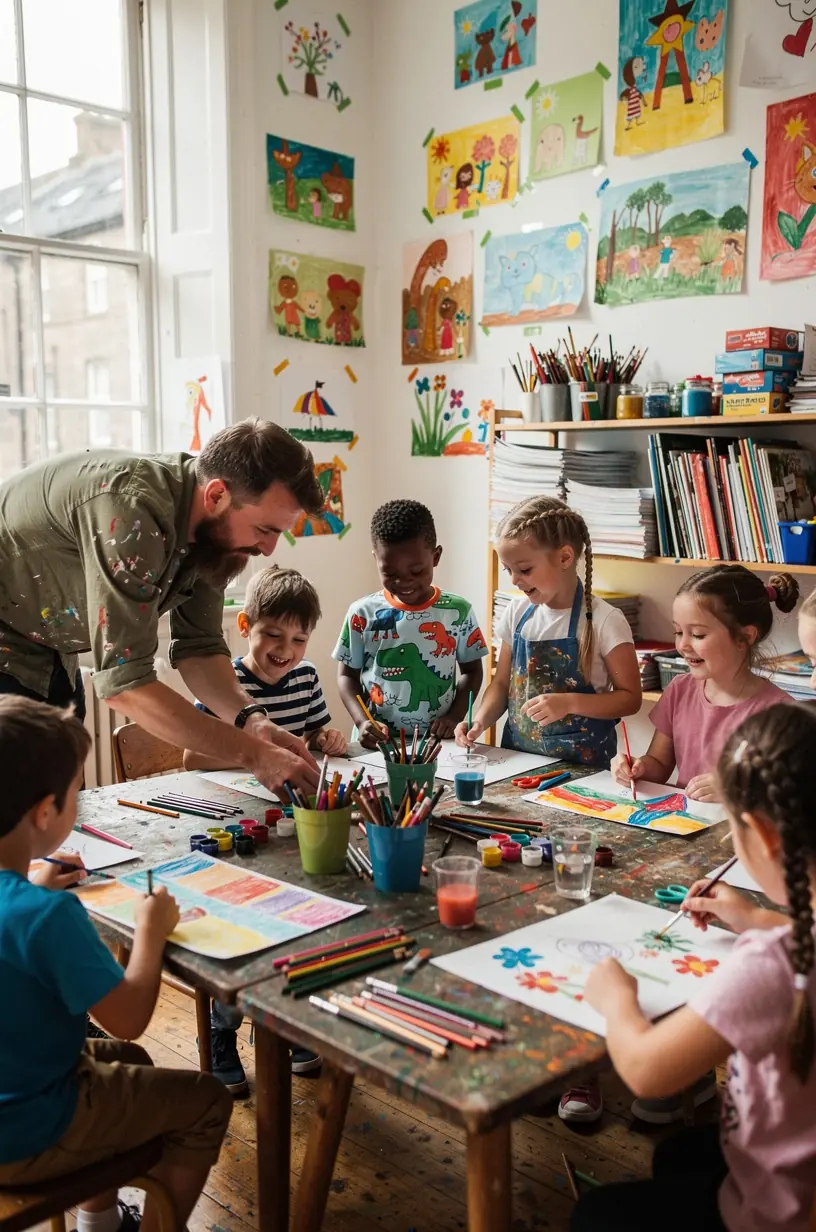
- Inspiration Boards: Hang images, colors, and quotes that spark your creativity and motivate you.
- Personal Touches: Add decor that resonates with your artistic style, such as artwork, plants, or mood lighting.
- Comfortable Seating: Ensure you have a comfortable chair or area to relax when taking breaks, as resting can often rejuvenate the creative mind.
Connect with the Community
Connecting with other artists can provide valuable support and inspiration. Many creative studios offer community events and guided sessions that can be beneficial. Engaging with fellow artists allows you to exchange ideas, receive feedback, and learn new techniques. Research indicates that collaborative environments often lead to enhanced creativity and personal development.
Conclusion
Setting up a home studio for painting and artistic hobbies is a process that typically requires careful planning and dedication. By understanding the basics, choosing the right space, gathering essential supplies, and fostering a creative atmosphere, you can create a space that inspires your artistic journey. Remember, the key is to be patient with yourself as you develop this creative environment; results may take time, but the effort invested will be worthwhile.
Learn More