Exploring Different Painting Techniques for Beginners
Painting is a wonderful way to express creativity and explore artistic hobbies. For beginners, understanding various painting techniques can significantly enhance their skills and enjoyment. This article delves into some fundamental techniques while providing guidance on how to get started.
Understanding the Basics of Painting Techniques
According to art educators, mastering basic painting techniques is crucial for beginners. These techniques often include watercolor, acrylic, and oil painting. Each medium has its unique properties and methods, which can influence the final artwork. For instance, watercolor is known for its transparent qualities, while acrylic offers a fast-drying alternative that's versatile for various styles.
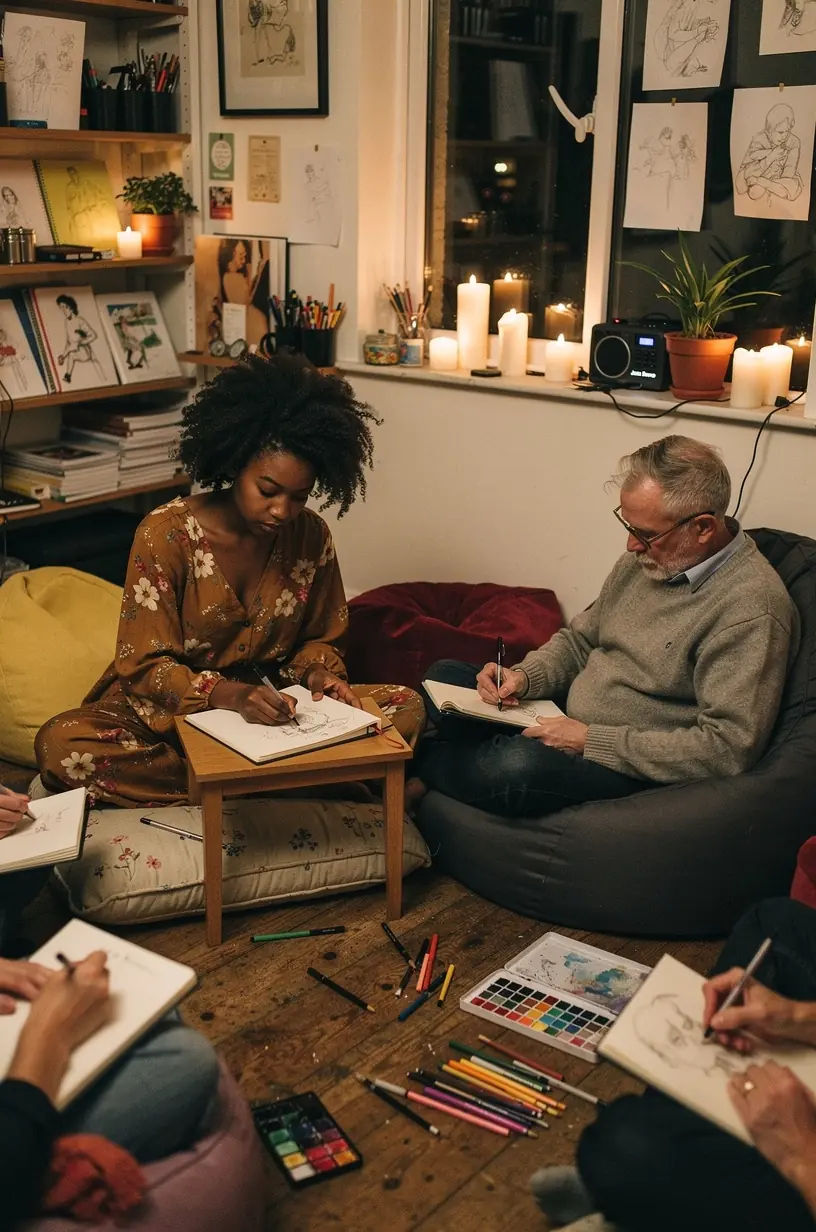
"Many artists recommend practicing with different mediums to find what resonates best with your style." - Art Educator
Popular Painting Techniques for Beginners
1. Watercolor Techniques
Watercolor painting is often favored for its fluidity and ease of use. Beginners can experiment with techniques such as:
- Wet-on-wet: Applying wet paint onto wet paper, creating soft edges and blends.
- Wet-on-dry: Applying wet paint onto dry paper for sharper lines and details.
- Layering: Building up layers of color to create depth and dimension.
2. Acrylic Techniques
Acrylic paint is known for its fast drying time and versatility. New artists may find these techniques beneficial:
- Glazing: Applying a thin, transparent layer of paint over a dried layer to modify its color and value.
- Impasto: Using thick paint to create texture and dimension on the canvas.
- Dry brushing: Using a dry brush to apply paint lightly, allowing the texture of the surface to show through.
3. Oil Techniques
While oil painting typically requires more time to master due to its long drying times, it allows for rich color mixing and blending. Beginners can explore:
- Fat over lean: A principle where each layer of paint should have a higher oil content than the layer below to prevent cracking.
- Glazing: Similar to acrylic, this technique involves applying transparent layers to create luminous effects.
- Scumbling: A technique that involves brushing a thin layer of opaque paint over a dry layer to create a texture effect.
Getting Started: Tools and Setup
To begin painting, it's essential to have the right tools. Basic supplies typically include:
- A selection of brushes appropriate for the chosen medium.
- Quality paints (watercolor, acrylic, or oil).
- A palette for mixing colors.
- A canvas or suitable paper.
- Water or solvents for cleaning brushes, depending on the medium.
Setting up a designated painting space can also enhance focus and creativity. Many users report that having an organized area with good lighting helps improve their painting experience.
Conclusion
Exploring different painting techniques can be a fulfilling journey for beginners. While learning these methods requires practice and patience, the rewards of creative expression and skill development are significant. Remember, the key is to experiment and find what resonates with you personally. Many artists encourage joining community events or guided sessions, as these can provide valuable feedback and inspiration.