How to Organize Community Art Events Effectively
Organizing a community art event can be an enriching experience, fostering creativity and collaboration among local artists and art enthusiasts. To achieve a successful event, it's essential to plan effectively and engage participants meaningfully. This article offers practical insights into organizing community art events that resonate with audiences, backed by best practices and expert recommendations.
Understanding the Importance of Planning
Effective planning is crucial for any successful community art event. According to research, events that are well-organized typically have higher participation and overall satisfaction rates. A clear plan helps ensure that logistics, communication, and creative aspects align seamlessly.
"Proper planning is not just about the event; it sets the foundation for community engagement and collaboration."
Key Steps to Organize Community Art Events
1. Define Your Objectives
Start by identifying what you aim to achieve with the event. Objectives could range from promoting local artists to raising funds for community projects. Many organizers find that having clear goals helps shape the event's format and activities.
2. Assemble a Team
Collaboration is vital. Form a team with diverse skills—such as marketing, logistics, and design. According to industry practices, involving volunteers can ease the workload and foster community spirit. This approach helps build a sense of ownership among participants, which can enhance engagement.
3. Choose the Right Venue
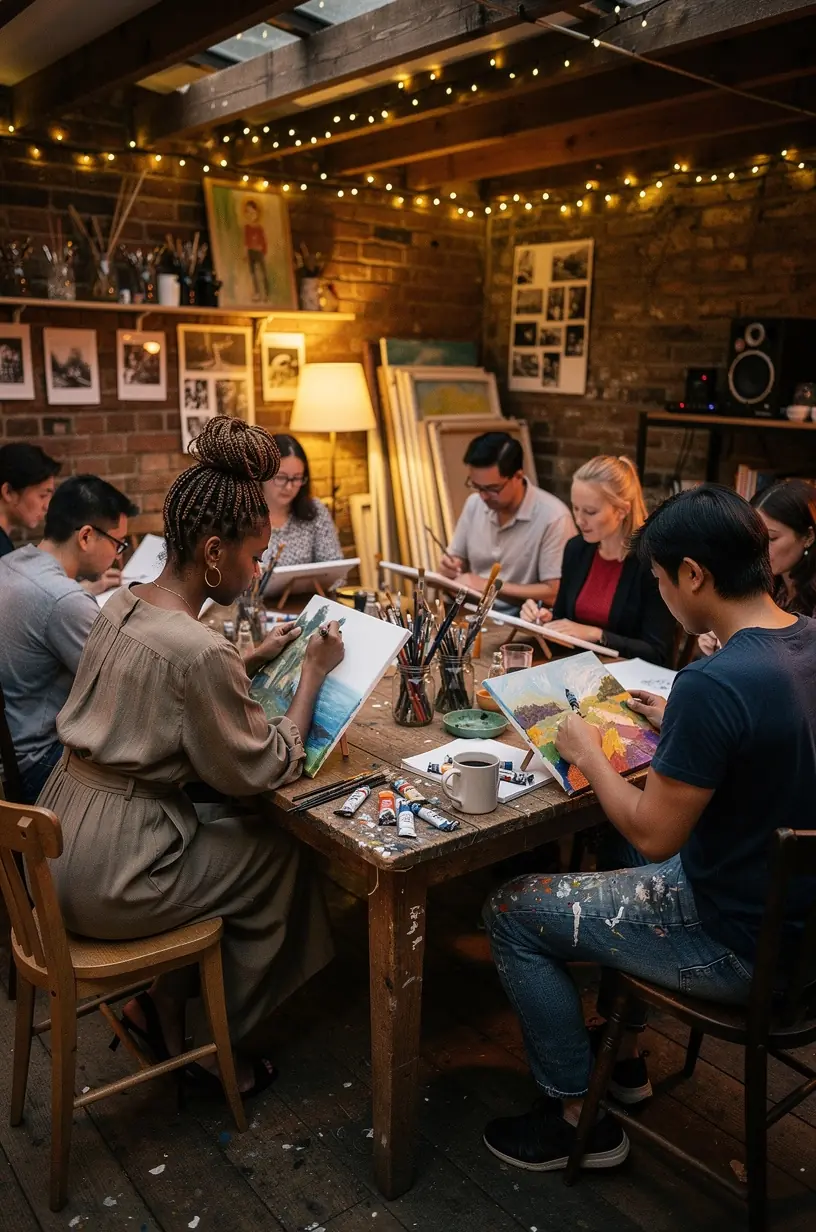
Selecting an appropriate venue is a significant factor in event success. Consider factors such as accessibility, space for exhibits, and areas for workshops. Many users report that venues which reflect the artistic theme of the event contribute positively to the experience.
4. Plan Engaging Activities
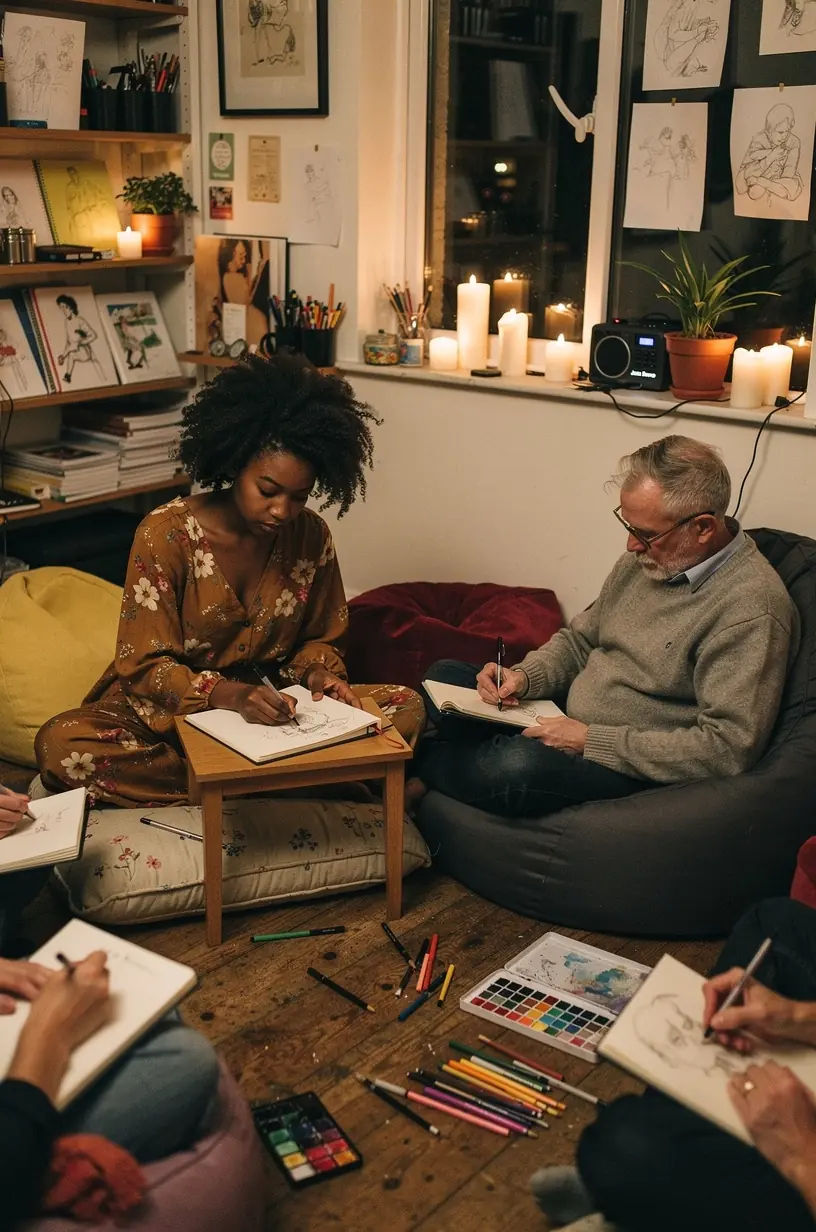
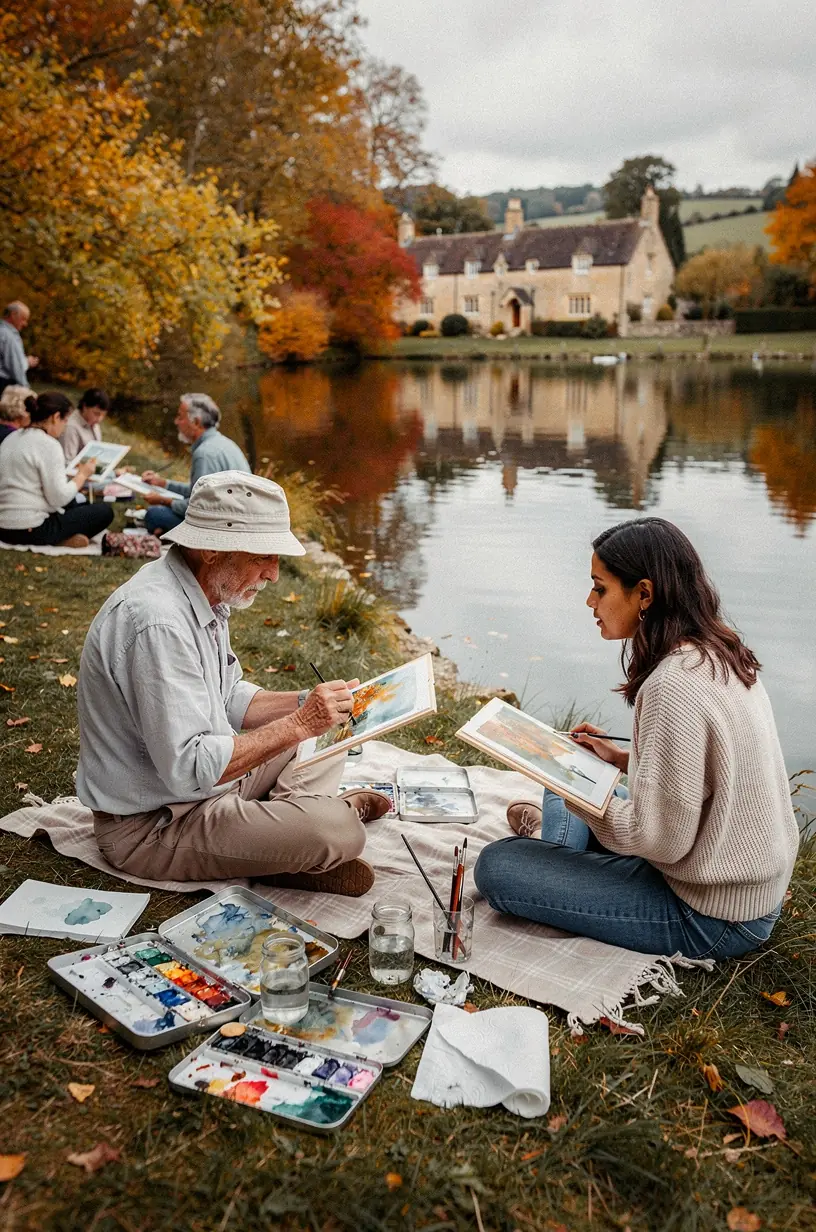
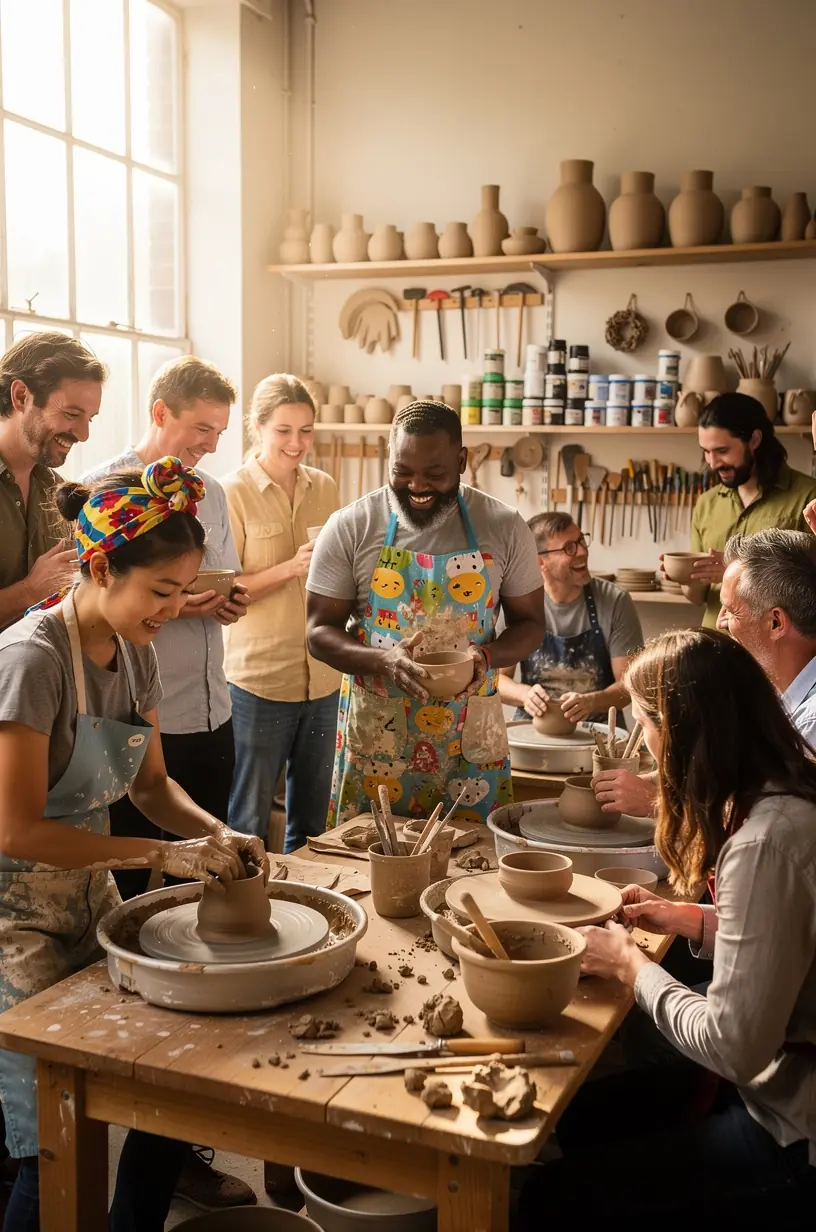
Activities should cater to various skill levels and interests. This might include workshops, live demonstrations, or collaborative art projects. Experts recommend that events featuring interactive elements often see greater participant satisfaction and retention.
5. Promote Your Event
Effective promotion is essential for attracting attendees. Utilize social media, local art communities, and online platforms to spread the word. Research indicates that events with robust marketing strategies typically see a 20-30% increase in participation compared to those with minimal outreach.
6. Gather Feedback
After the event, collect feedback from participants to understand what worked well and what could be improved. This step is crucial for future planning, as it helps refine your approach based on actual experiences.
Challenges to Consider
While organizing community art events can be rewarding, it's important to acknowledge potential challenges. These can include time constraints, budget limitations, and varying levels of interest from the community. Typically, effective planning takes 2-4 weeks, allowing sufficient time for all aspects to come together.
Conclusion
Organizing community art events can be a fulfilling endeavor that promotes creativity and connection. By following these steps and being mindful of the challenges, you can create an engaging and successful event. Remember, while the process requires dedication and thoughtful planning, the community's response can be immensely rewarding.