Understanding the Psychological Benefits of Art Hobbies
Artistic hobbies, such as painting and crafting, have long been associated with personal expression and creativity. However, the psychological benefits of engaging in these activities are often overlooked. This article explores how art hobbies can positively impact mental health and well-being, providing both educational insights and practical applications.
The Psychological Impact of Art
According to research published in the Journal of Positive Psychology, engaging in creative activities can lead to significant improvements in emotional well-being. Studies show that individuals who regularly participate in artistic hobbies report lower levels of stress and anxiety. This is attributed to the way creative expression allows individuals to process emotions and express themselves in non-verbal ways.
"Art can serve as a powerful tool for emotional release and self-reflection, helping individuals to navigate complex emotions." - Dr. Sarah Thompson, Clinical Psychologist
How Art Hobbies Contribute to Mental Health
There are several mechanisms by which art hobbies contribute to psychological well-being:
- Stress Reduction: Engaging in artistic activities can serve as a form of mindfulness, allowing individuals to focus on the present moment. This practice can reduce stress levels and improve mood.
- Enhanced Cognitive Function: Studies indicate that creative activities stimulate different areas of the brain, which may enhance cognitive abilities and improve problem-solving skills.
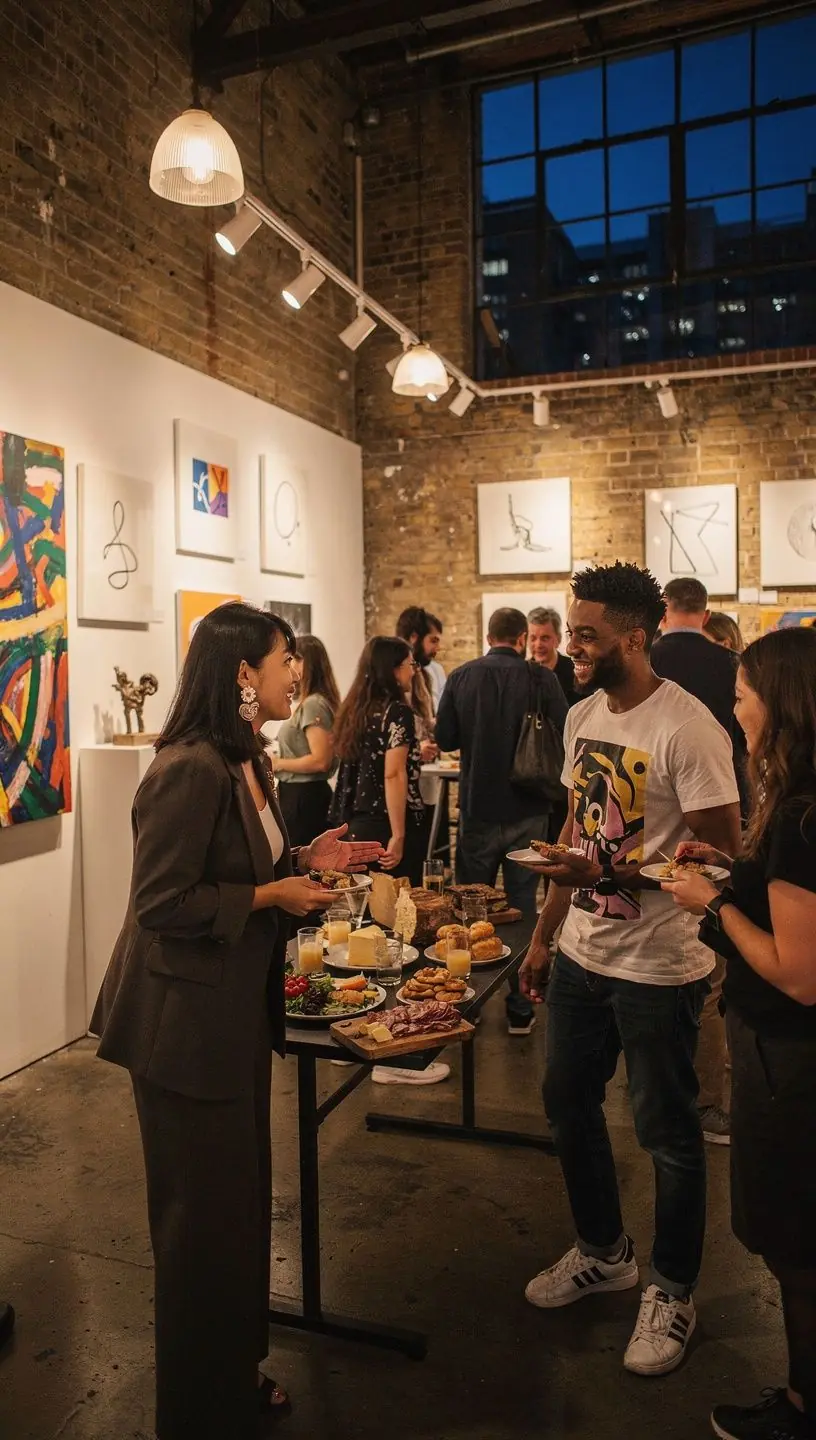
- Social Connection: Participating in community art events or classes fosters social interaction. Many users report feeling a sense of belonging, which is crucial for mental health.
The Process of Getting Started
For those looking to incorporate art into their lives, consider the following steps:
- Choose a Medium: Identify a form of art that interests you, whether it's painting, drawing, or crafting. Each medium offers unique benefits and methods of expression.
- Set Aside Time: Allocate specific times during the week for your art practice. Typically, dedicating just a few hours a week can be sufficient to experience benefits.
- Join a Community: Look for local art studios or online groups where you can share your work and connect with others. Community support can enhance motivation and enjoyment.
Acknowledging Limitations
While art hobbies can provide numerous benefits, it's important to acknowledge that:
- Engaging in creative activities requires time and commitment; results may not be immediate and typically develop over weeks or months.
- Some individuals may find a learning curve in developing artistic skills, which can initially be discouraging.
- Art may not be suitable for everyone; individuals with specific psychological conditions should consult with a mental health professional before starting.
Conclusion
Incorporating art hobbies into your life can be an effective way to enhance mental well-being. As studies suggest, the psychological benefits of creative expression are significant, supporting emotional health and fostering social connections. By setting realistic goals and engaging with a community, you can embark on a rewarding artistic journey that contributes to your overall happiness and health.
Learn More